
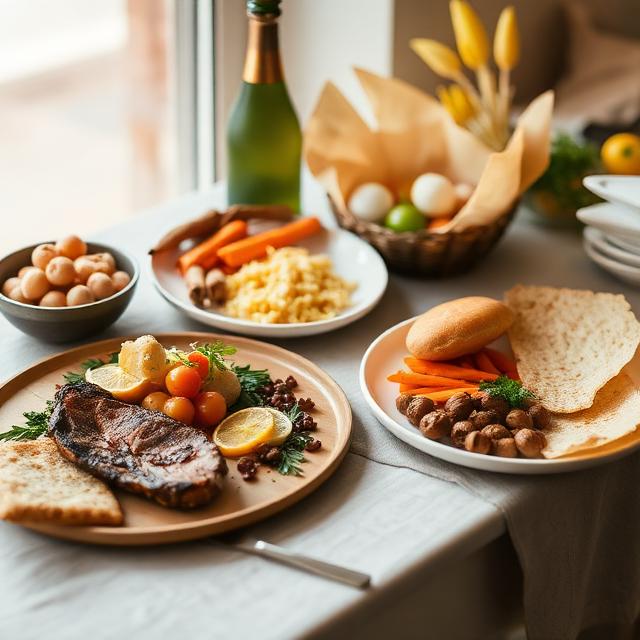
There is a difference between trendy language and something genuinely helpful. This page approaches The Zero-Waste Kitchen: Whole-Food Cooking & Nutrition — NatureOrientedSolutions with more clarity, more texture, and a tone that feels closer to real life.
Bone Broth, Collagen, and the Forgotten Amino Acids
The shift away from whole-carcass cooking in the twentieth century removed glycine, proline, and hydroxyproline — the primary amino acids in collagen — from the regular diet of most people in industrialised countries. These amino acids, abundant in bones, skin, cartilage, and connective tissue but absent from muscle meat, play roles in gut barrier function, sleep regulation via glycine's inhibitory neurotransmitter activity, skin elasticity, and joint cartilage maintenance. Glycine in particular is now understood to be conditionally essential — synthesised by the body but not in sufficient quantities to meet metabolic demands under conditions of stress, injury, or high protein intake from muscle meat sources — with habitual intakes in Western diets running approximately sixty percent below estimated requirements.
Traditional bone broth preparation — simmering bones with acidulated water for twelve to twenty-four hours — extracts gelatin (hydrolysed collagen), glycosaminoglycans including glucosamine and chondroitin, and a range of minerals including calcium, magnesium, and phosphorus leached from the bone matrix. The gut-supportive properties of bone broth, while sometimes overstated in popular wellness discourse, rest on genuinely sound mechanistic foundations: glycine is a direct substrate for the synthesis of glutathione (the body's primary antioxidant), directly inhibits pro-inflammatory NF-κB activation in intestinal epithelial cells, and supports the tight junction protein synthesis that maintains intestinal barrier integrity. Using animal bones — which can be sourced as waste products from butchers — is simultaneously one of the most waste-reducing and nutritionally restorative practices available.
Vegetable Scrap Nutrition and Fermentation Preservation
Vegetable peelings, stems, and leaves — the components most routinely discarded in standard kitchen preparation — contain concentrations of specific phytonutrients that in many cases exceed those found in the flesh of the vegetable itself. Broccoli stems contain equivalent concentrations of sulforaphane precursors to the florets, with greater fibre content. Onion skins are among the richest dietary sources of quercetin, containing up to thirty times the quercetin concentration of the onion flesh within. Carrot peels concentrate beta-carotene, chlorogenic acid, and phenolic compounds at higher densities than the inner root. Citrus peel contains ten times the vitamin C of citrus juice alongside substantial hesperidin, nobiletin, and limonene — compounds with anti-inflammatory and hepatoprotective activity not present in the juice at all.
Fermentation offers the most nutritionally potent strategy for preserving seasonal produce and minimising waste simultaneously: the enzymatic and microbial activity of lacto-fermentation increases bioavailability of minerals by degrading phytate, synthesises B vitamins including B12 precursors in vegetable ferments, generates beneficial organic acids, and creates living microbial communities that survive consumption and contribute to gut microbiome diversity. A kitchen practice built around seasonal whole-food acquisition, aggressive use of every component of each ingredient, fermentation of seasonal surpluses, and long-simmered preparations from bones and scraps constitutes not just a waste-reduction strategy but a coherent nutritional philosophy — one that reconnects daily cooking with the ecological intelligence of traditional food cultures that wasted nothing because they understood the value of everything.
Added perspective
At Nature Oriented Solutions, we look at the zero-waste kitchen: how whole-food cooking reduces waste and maximises nutrition simultaneously through an everyday lens: what feels realistic, what improves comfort over time, and what creates a calmer rhythm without making life feel overcomplicated. That means focusing on steady routines, practical choices, and visual clarity so each page feels useful as well as inspiring.
Rather than chasing extremes, this space leans into balance, consistency, and small upgrades that hold up in real life. Whether the subject is ingredients, rituals, mindful home details, or simple wellness habits, the goal is to connect ideas with gentle structure, better context, and a more grounded sense of progress.
This added note expands the page with a little more context, helping the topic sit within a wider wellness conversation instead of feeling like a standalone fragment. In practice, that often means noticing patterns, simplifying decisions, and choosing approaches that are easier to repeat with confidence.
Leave a Reply
Your email address will not be published. Required fields are marked *